
Top Quality Union Ball Valve Suppliers for Reliable Industrial Solutions
By:Admin
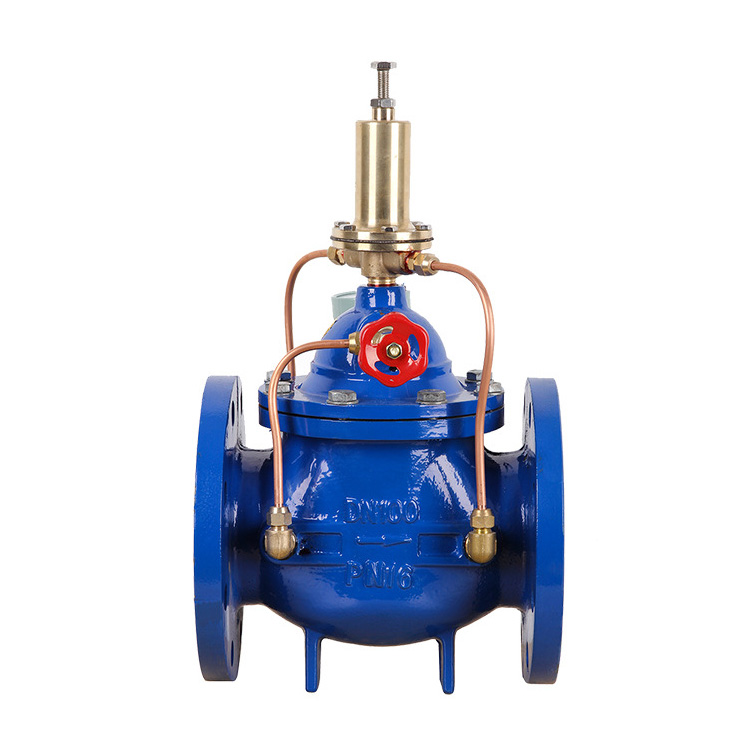
The industrial valve sector is witnessing a significant surge in demand for union ball valves, a trend fueled by their essential role across various industries such as oil and gas, chemical processing, water treatment, and HVAC systems. These valves, known for their reliability and ease of maintenance, have become indispensable components in pipeline management and fluid control systems. As markets expand and industrial processes become more complex, suppliers of union ball valves are scaling operations to meet the increasing requirements of global clients.
**Understanding the Union Ball Valve and Its Applications**
A union ball valve is a type of quarter-turn valve that uses a hollow, perforated, and pivoting ball to control flow through it. The “union” feature indicates that the valve has a design that allows for easy disassembly and reassembly without disturbing the connected piping, making maintenance and replacement straightforward and cost-effective.
Their design facilitates quick installation and minimal downtime, which is critical in industries where halting operations can have significant financial repercussions. Union ball valves are versatile, accommodating a range of fluids, temperatures, and pressures, which makes them suitable for applications from residential plumbing to large-scale industrial projects.
**Market Drivers and Industry Trends**
The increasing construction activities in emerging economies, along with the growth of sectors like petrochemicals and pharmaceuticals, have directly influenced the demand for high-quality industrial valves, including union ball valves. Moreover, the shift towards automation in fluid control systems has encouraged manufacturers to develop valves compatible with advanced control systems, enhancing operational efficiency and safety.
Environmental regulations are also shaping the valve market by emphasizing leak-proof and corrosion-resistant components. Union ball valves made from advanced materials such as stainless steel and brass fulfill these criteria, providing durability and compliance with stringent standards.
Another key trend is the customization of valves to suit specific operational parameters. Suppliers are now focusing on offering bespoke solutions, including size variations, actuator compatibility, and enhanced sealing technologies, to meet the nuanced needs of different industries.
**Supplier Capabilities and Industry Contributions**
Leading suppliers of union ball valves have demonstrated robust expertise in design, manufacturing, and quality assurance. Their offerings typically comply with international standards such as API, ISO, and ANSI, ensuring global compatibility and acceptance.
Many suppliers maintain vertically integrated production facilities, allowing them to control every aspect of the valve manufacturing process—from raw material sourcing to final testing. This integration guarantees consistent quality and enables rapid response to market demands.
In addition to product quality, value-added services such as technical support, custom engineering, and after-sales service distinguish top-tier suppliers. They collaborate closely with clients to optimize valve selection and system design, thus enhancing overall performance and lifecycle management.
**Innovation and Sustainability Focus**
Responding to evolving market needs, suppliers are investing heavily in research and development to produce union ball valves that accommodate high-pressure and high-temperature environments while minimizing environmental impact. Innovations include the development of valves with enhanced sealing systems that reduce fugitive emissions, contributing to sustainable operations.
Furthermore, the adoption of digital technologies such as IoT-enabled valve monitoring systems is becoming commonplace. These smart valves provide real-time data on valve status, enabling predictive maintenance and reducing unplanned downtime.
Sustainability initiatives also drive material selection and manufacturing processes. Eco-friendly coatings and recyclable materials are increasingly preferred, aligning with global efforts to reduce industrial carbon footprints.
**Conclusion**
The union ball valve market is poised for robust growth, driven by diversification of industrial applications, stringent regulatory landscapes, and technological advancements. Suppliers who combine product excellence with innovative solutions and comprehensive customer support are set to lead the industry.
As industries continue to prioritize efficiency, safety, and sustainability, the role of reliable and adaptable valve components like the union ball valve becomes even more critical. Stakeholders within the supply chain should therefore consider the evolving trends and supplier capabilities when making procurement decisions, ensuring optimized performance and long-term value.
With the ongoing commitment to quality, innovation, and environmental responsibility, union ball valve suppliers are not only meeting current industrial challenges but are also paving the way for future advancements in fluid control technology.